Spotting Between Periods: When to See a Doctor
Quick Answer: Should I Worry About Spotting Between Periods?
Light, occasional spotting is often benign — ovulation, a new birth-control method, or stress can all cause it. But some patterns are red flags: any bleeding after menopause, bleeding after sex, spotting with pain, and any bleeding in pregnancy all warrant prompt evaluation. When spotting is new, heavy, recurring or unexplained, book a clinician rather than waiting it out.
- Often benign: mid-cycle ovulation spotting, first months on new contraception, stress.
- Get checked promptly: postmenopausal bleeding, bleeding after sex, spotting with pain, any bleeding in pregnancy.
- Rule of thumb: a clear, one-off explanation can be watched; new, persistent or unexplained bleeding needs a doctor.

Finding a spot of blood on a day you were not expecting your period is unsettling, and the internet is quick to make it frightening. The reassuring truth is that intermenstrual bleeding — spotting or light bleeding between your normal periods — is common, and most of the time it has an ordinary, harmless explanation. The important truth alongside it is that a specific set of bleeding patterns should never be brushed off. This article is about telling those two groups apart calmly, so you know when to relax and when to pick up the phone.
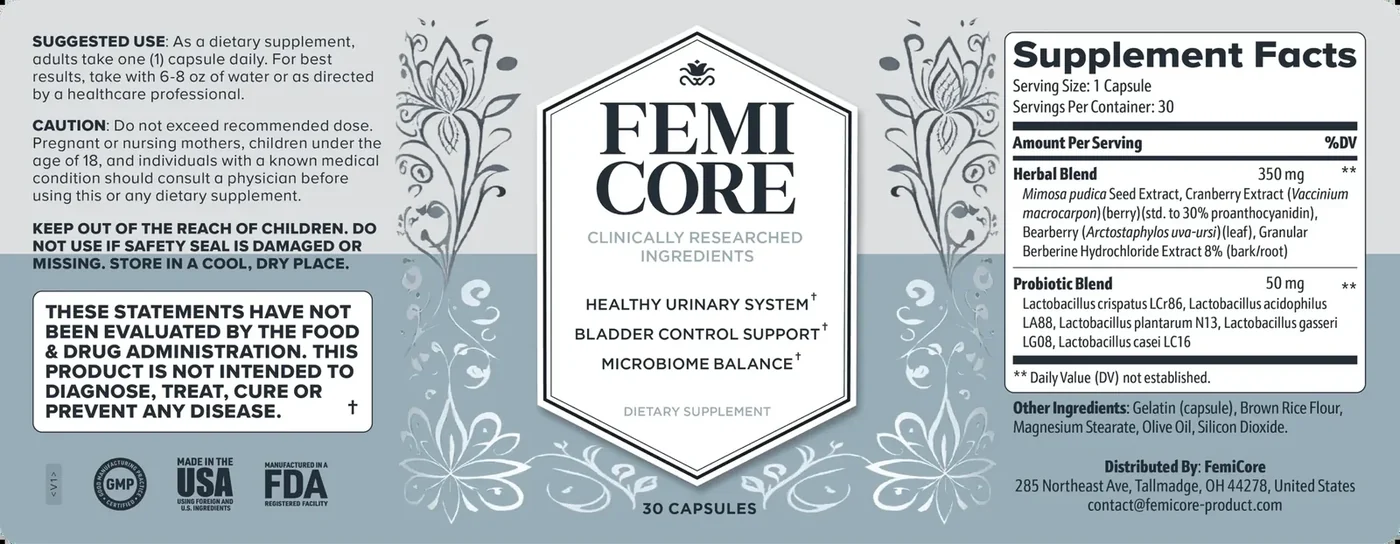
Two things this page will not do. It will not diagnose you — only a clinician who can examine you and take a history can do that. And it will not pretend a supplement is relevant here: FemiCore is a urinary and vaginal microbiome product and has nothing to do with menstrual bleeding. We publish women's-health explainers alongside the product we cover because good information is the point of a health site, not because every topic leads back to a bottle.
What counts as spotting?
Spotting means light bleeding outside your expected period — usually just a few drops, often pink or brown rather than the bright or dark red of a full flow, and typically not enough to need more than a liner. Doctors call bleeding between otherwise regular periods intermenstrual bleeding, and it sits under the wider umbrella of abnormal uterine bleeding. The colour and volume are clues: brown, scant spotting is usually old blood leaving slowly and is less concerning than fresh, heavy or clotting bleeding.
Common, usually benign causes
Most intermenstrual spotting comes from one of a handful of everyday sources. Recognising these can save you a lot of needless worry — while remembering that "common" is not the same as "always fine."
Ovulation
Around the middle of the cycle, the hormonal choreography of releasing an egg can produce a day or two of very light spotting. It is worth knowing how uncommon that actually is: in the BioCycle Study, Dasharathy and colleagues tracked two consecutive cycles in 201 regularly menstruating women for the American Journal of Epidemiology and found that only 4.8 per cent experienced midcycle bleeding, with menstruation itself lasting a median of five days. So ovulation spotting is real, but it is a minority experience rather than the default explanation for every mid-cycle streak. As estrogen peaks and briefly dips before progesterone takes over, a tiny amount of the uterine lining can shed. Ovulation spotting is typically light, pink or brown, painless or paired only with a mild one-sided twinge (sometimes called mittelschmerz), and it settles on its own.
Starting or changing hormonal contraception
Breakthrough bleeding is the single most common cause of new spotting, and it is expected. The ESHRE Capri Workshop Group review of endometrial bleeding in Human Reproduction Update makes the practical point directly: breakthrough bleeding tends to improve with time, so in the first three months of pill use, and absent an obvious underlying cause, women can reasonably be reassured that it will most likely settle. That same review notes that bleeding occurs in roughly 3 per cent of post-menopausal women and that hormone use raises that likelihood more than five-fold — which is why bleeding after menopause is treated as its own category further down this page. When you start the pill, the patch, the ring, an implant, a hormonal IUD, or switch between methods, the lining takes time to adjust and can spot irregularly — often for the first three to six months. Missing pills or taking them at inconsistent times makes it more likely. This usually settles; if it does not, a clinician can help you find a better-fitting method.
Stress, illness and life changes
The menstrual cycle is exquisitely sensitive to the brain's stress and appetite signals. Significant stress, sudden weight change, over-exercising, travel across time zones, and short illnesses can all nudge the timing of ovulation and produce off-schedule spotting. It tends to right itself as life steadies.
Early pregnancy
Light spotting can occur in early pregnancy, sometimes around the time an embryo implants. If there is any chance you are pregnant and you notice spotting, take a test — and note that any confirmed bleeding in pregnancy is a reason to contact your provider rather than wait, because it needs interpreting in context.
Structural and other causes worth naming
Benign growths such as cervical or uterine polyps and fibroids can cause spotting, as can an infection or inflammation of the cervix, and thyroid imbalance. Where a change in discharge accompanies the bleeding, our vaginal discharge colour guide covers what is and is not ordinary. These are not emergencies, but they are reasons the bleeding will not simply stop on its own, and they are exactly what an examination is designed to find.
The red flags: when spotting needs a doctor
Here is the part worth committing to memory. Certain bleeding patterns should prompt evaluation regardless of how light they seem, because the point of the visit is to rule out the things you cannot see from the outside.
Any bleeding after menopause
This is the clearest rule in the whole article. Once you have gone a full twelve months with no periods, you are postmenopausal, and any vaginal bleeding after that point — even a single spot — should be evaluated promptly. Most postmenopausal bleeding turns out to have a benign cause such as thinning of the vaginal or uterine lining, but it is also the main way that changes to the uterine lining first show themselves, so it is always checked rather than watched.
The scale of that risk is worth stating precisely, because the honest number is reassuring and alarming at once. A 2018 systematic review and meta-analysis in JAMA Internal Medicine by Clarke and colleagues, pooling 129 studies and more than 40,000 women, found that about 9 per cent of women with postmenopausal bleeding turned out to have endometrial cancer — so most do not — while roughly 91 per cent of women with endometrial cancer had presented with postmenopausal bleeding. That is exactly why the symptom is investigated every time: it is the signal that catches the disease early.
Bleeding after sex
Postcoital bleeding deserves assessment. Often the cause is benign — dryness, a cervical polyp, or inflammation — but it can point to a cervical infection or changes to the cervix, so it is a symptom to have looked at rather than to explain away. A clinician can examine the cervix and confirm your cervical screening is current.
Spotting with pain, fever or feeling unwell
Bleeding paired with pelvic pain, fever, dizziness or feeling faint changes the picture. That combination can signal an infection or, if there is any possibility of pregnancy, something that needs urgent attention such as an ectopic pregnancy. Do not wait this one out; seek care promptly.
Heavy, clotting or persistent bleeding
Spotting that is not really spotting — soaking through protection, passing clots — or a pattern that recurs cycle after cycle for several months, is worth investigating. Persistent blood loss can also quietly lead to iron deficiency, which is its own reason to act rather than adapt. If your periods themselves have become heavy, our related guide on iron deficiency and heavy periods is a useful companion read.
New spotting after 45, or with other warning signs
New intermenstrual bleeding that begins in your mid-40s and beyond, or spotting alongside unexplained weight loss or other systemic symptoms, is a reason for a lower threshold to get checked. Age changes the list of things a clinician wants to exclude.
What to track before your appointment
You can make any consultation far more useful with a little record-keeping. Note when the spotting happens relative to your period, its colour and how heavy it is, how long it lasts, and whether anything reliably triggers it — sex, exercise, a missed pill. Record your contraception and any recent changes, whether pregnancy is possible, and any other symptoms such as pain, discharge or fatigue. A phone note or a cycle-tracking app is plenty. Patterns that look random to you often tell a clinician a clear story.
What to expect at the visit
An evaluation for intermenstrual bleeding is usually straightforward and proportionate to your age and history. It may include a history and physical examination, a pelvic and speculum examination to look at the cervix, a check that cervical screening is up to date, a pregnancy test where relevant, and sometimes swabs for infection, blood tests (including checking iron and thyroid), or a pelvic ultrasound. A pH strip is not part of that workup and cannot substitute for it, as we explain in normal vaginal pH and home testing. Not everyone needs every test — the aim is simply to explain the bleeding and reassure you, or to catch something early enough that it is easy to deal with.
Medical note: this article is general information, not medical advice or a diagnosis. Any bleeding after menopause, bleeding after sex, bleeding in pregnancy, or spotting with pain or fever should be assessed promptly by a healthcare professional. When in doubt, get it checked.
Related reading
- Iron Deficiency and Heavy Periods: A Woman's Guide
- Vaginal Discharge Color Guide: What Is Normal
- Normal Vaginal pH Range and Home Testing
Frequently asked questions
Is spotting between periods normal?
Light, occasional spotting is common and often benign, especially around ovulation or in the first few months on a new hormonal contraceptive. What is not simply normal is spotting that is heavy, that keeps happening cycle after cycle, that follows sex, that comes with pain, or that occurs after menopause. Occasional light spotting with an obvious explanation can usually be watched; a new, persistent or unexplained pattern deserves a conversation with a clinician rather than being ignored.
What causes ovulation spotting?
Ovulation spotting is thought to be driven by the brief hormonal shifts around the release of an egg, roughly in the middle of the cycle. As estrogen peaks and then dips just before progesterone rises, the uterine lining can shed a tiny amount, producing light pink or brown spotting for a day or two. It is usually very light, painless or accompanied only by mild mid-cycle twinges, and it is generally considered a normal variation rather than a problem.
When should spotting be checked by a doctor?
See a doctor if you have any bleeding after menopause, bleeding or spotting after sex, spotting that is heavy or contains clots, spotting that recurs over several cycles, spotting accompanied by pelvic pain, fever or dizziness, or any bleeding during pregnancy. You should also get checked if new spotting starts after age 45, or if it appears alongside unexplained weight loss or other worrying symptoms. When in doubt, a single appointment to rule things out is worthwhile.
Is bleeding after sex a red flag?
Yes, bleeding after sex, known as postcoital bleeding, is a symptom that should be evaluated rather than dismissed. It often has a benign cause such as vaginal dryness, a cervical polyp or inflammation, but it can also signal a cervical infection or, less commonly, changes to the cervix that need attention, so it should not be assumed to be harmless. A clinician can examine the cervix and check whether cervical screening is up to date, which is why prompt assessment matters.
Scientific references
- ACOG — Abnormal Uterine Bleeding: patient guidance on causes and when to seek care
- ACOG — Perimenopausal Bleeding and Bleeding After Menopause
- NHS — Bleeding between periods: common causes and when to get advice
- Clarke MA, Long BJ, Del Mar Morillo A, et al. — Association of Endometrial Cancer Risk With Postmenopausal Bleeding in Women: A Systematic Review and Meta-analysis, JAMA Internal Medicine 2018;178(9):1210–1222 (PMID 30083701)
- National Cancer Institute — on postmenopausal bleeding as a symptom warranting evaluation
- Dasharathy SS, Mumford SL, Pollack AZ, et al. — Menstrual bleeding patterns among regularly menstruating women, American Journal of Epidemiology 2012;175(6):536–545 (PMID 22350580)
- ESHRE Capri Workshop Group; Collins J, Crosignani PG — Endometrial bleeding, Human Reproduction Update 2007;13(5):421–431 (PMID 17337477)

For everyday urinary and vaginal microbiome support
FemiCore does not treat bleeding of any kind — it is a daily cranberry, bearberry and five-strain Lactobacillus capsule for urinary and vaginal microbiome balance, with a 60-day money-back guarantee handled by the manufacturer. It is preventive support, not a substitute for medical care.
Order Now